

Birdies Garden Bed offers a practical and stylish option for anyone wanting to start a garden with ease. It stands out for its durable design, simple setup, and ability to support healthy plant growth. This makes it suitable for both beginners and experienced gardeners.
The garden bed’s build quality and thoughtful design help create an efficient space to grow flowers, vegetables, or herbs. By choosing Birdies, users get a product that balances form and function without much hassle.

Its versatility and eco-friendly materials add value beyond just looks. Many find it improves their gardening experience while being mindful of the environment.
FTC DISCLOSURE: Some of the links in this post are affiliate links. If you click on them and make a purchase, I will receive a small finder’s fee on the sale. This does not increase your price in any way shape or form. Using these links help support the continuation of this website. All opinions are my own. Thank you in advance.
Key Takeaways
- The garden bed is durable and easy to set up.
- It supports healthy plant growth in a compact space.
- It uses eco-friendly materials for sustainability.
What Is the Birdies Garden Bed?
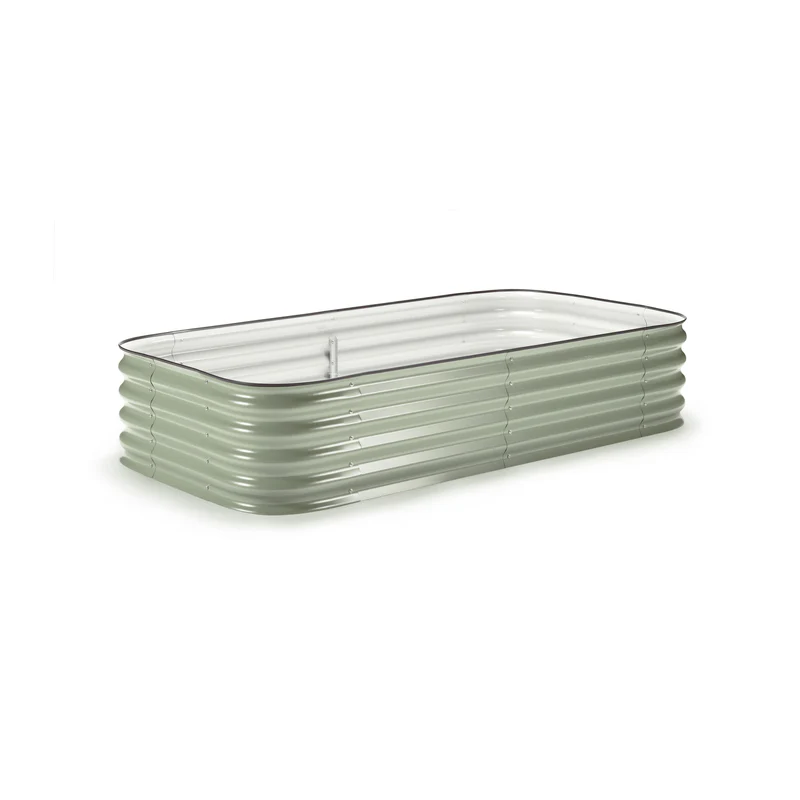
The Birdies Garden Bed is a type of raised garden bed designed to make growing plants easier and more organized. It offers various sizes and shapes, using durable materials to last through seasons. The design focuses on strength, versatility, and ease of use for gardeners.

Overview of Birdies Raised Garden Beds
Birdies raised garden beds are containers built above ground to hold soil for planting. They help improve soil drainage and reduce weeds. Their height makes gardening easier by reducing the need to bend over. Birdies beds are known for being strong and weather-resistant.
These beds come with panels made of metal rather than wood, so they don’t rot or warp. They allow better control over soil quality. The design supports planting vegetables, flowers, and herbs in a tidy, controlled space.
Types and Configurations
Birdies offers several models with different dimensions to fit various garden spaces. The beds come in square and rectangular shapes, with common sizes like 2 feet by 4 feet or 3 feet by 3 feet. Customers can stack or connect units for larger garden layouts.
The flexibility in configurations lets gardeners customize the size and shape of their beds. This helps when working in small yards, patios, or larger outdoor areas. The modular design makes it simple to expand the garden over time.
Key Features and Materials
Birdies beds are made from aluzinc powder-coated steel, a metal that resists rust and corrosion. This coating adds toughness and helps the beds last many years outside. The steel panels are attached with robust corner connectors for stability.
The beds are about 10 to 12 inches deep, providing enough space for root growth. The smooth surface of the panels helps avoid soil sticking and makes cleaning easier. Their material also does not leach harmful chemicals into the soil, which is good for food crops.
Design, Style, and Build Quality
The Birdies Garden Bed is designed with lasting strength and a modern look. It uses materials that resist rust and offers clean, simple lines that fit many garden styles. The build quality supports its durability and weather resistance.
Construction and Durability
The garden bed is made from aluzinc powder-coated steel, which combines zinc, aluminum, and steel for strength and protection. This material is strong yet lightweight, allowing for easy setup and movement.
The steel walls are 0.59mm thick. This thickness helps prevent bending or warping under soil pressure. The bed’s corners are welded tightly, improving stability and keeping the shape firm over time.
The overall design avoids screws in visible areas, which reduces weak points. Users report the bed holds soil and plants well even in strong winds or heavy rain.
Corrosion Resistance
The aluzinc steel has a powder-coated finish that adds an extra layer of protection against rust. This coating is smoother and thicker than paint, helping the bed last through wet seasons.
Aluzinc material provides a barrier that resists oxidation better than plain galvanized steel. It can endure moist soil conditions without flaking or peeling.
Because of this, the bed needs little maintenance to keep its structure intact. Users noted minimal signs of corrosion after months of outdoor use.
Aesthetic Appeal
Birdies Garden Bed features a sleek, rectangular design with clean edges. The finish has a matte look that blends well in various garden settings, adding a subtle modern touch.
It comes in neutral tones that complement both contemporary and classic gardens. The color does not fade quickly under sunlight due to the powder coat.
Its simple style allows it to fit with different plant types without distracting from the greenery. The design is practical but also visually pleasing for those who value neat garden beds.
Setting Up a Birdies Garden Bed
The Birdies Garden Bed offers flexibility in setup to fit different garden sizes and shapes. It comes with clear instructions and parts designed for easy assembly. Choosing the right spot affects plant growth and bed durability.
Assembly Process
The assembly starts with unpacking all parts, which include composite panels, corner connectors, and hardware. The bed can be built in two sizes: 4 feet by 4 feet or 4 feet by 8 feet. This allows for different garden configurations.
Connect the panels using the corner pieces and screws provided. No special tools are needed aside from a screwdriver or drill. The panels fit tightly for a secure frame without gaps.
Once connected, the bed’s height is fixed at 12 inches, which is deep enough for many vegetables and flowers. The instructions make the setup straightforward, typically taking less than an hour for one person.
Placement and Location
Choosing the right location is important for proper sunlight and drainage. Birdies Garden Beds should be placed in a spot that receives at least 6 hours of sun daily.
The bed should be set on level ground to prevent soil shifting. It is lightweight, so it can be moved if necessary, but moving it full of soil is difficult.
Avoid placing the bed near large trees or structures that block light or drop heavy leaves. Good airflow around the bed helps prevent mold or pests. The composite material resists moisture, so a flat, dry area is ideal.
Performance and Versatility
The Birdies Garden Bed offers good planting space and depth. It performs well with many types of plants and can be used in various gardening setups. Its size and design make it flexible for different gardening needs.
Planting Depth and Volume
The garden bed provides about 12 inches of planting depth. This is enough for most vegetables, herbs, and flowers. It holds roughly 3 cubic feet of soil, which supports healthy root growth.
The depth allows for plants that need moderate root space, such as tomatoes, lettuce, and carrots. Deeper-root plants may require more soil, but the bed still works well with root trainers or smaller varieties.
Its volume helps maintain moisture and nutrients better than shallow containers. This reduces the need for frequent watering and fertilizing.
Suitability for Different Plants
This bed suits a wide range of plants. Leafy greens, root vegetables, and small shrubs all grow well in it. It supports both shallow and medium-rooted plants comfortably.
Plants needing deep soil, like potatoes, might find the space a bit limited. However, the bed can be filled with high-quality soil and compost to improve growth.
Flowering plants also thrive due to good drainage and airflow. It is not ideal for large trees or plants needing lots of space.
Raised Bed Versatility
The Birdies Garden Bed is sturdy and can be placed on patios, balconies, or in yards. Its size fits well in small to medium spaces, making it easy to move if needed.
It can be combined with other beds for larger gardens. The design supports vertical plant supports or trellises, adding to its versatility.
The bed’s materials resist weather damage, so it works outside year-round in most climates. It also allows for crop rotation and companion planting, benefiting garden health.
Gardening Experiences and Results
The Birdies garden bed offers practical space for growing a range of plants. It supports vegetables, fruits, and herbs well, while also attracting helpful pollinators. Proper soil and potting mix choices improve plant growth and health.
Growing Vegetables, Fruits, and Herbs
Users report success growing vegetables like onions, tomatoes, and leafy greens in the Birdies garden bed. Its size allows planting multiple types at once without crowding. The bed drains well, which keeps roots healthy and reduces the risk of rot.
Fruit plants such as strawberries also thrive in the space. Herbs like basil and parsley grow quickly and are easy to maintain here.
Plant spacing and sunlight remain important to achieve good yields. Regular watering and using nutrient-rich soil boost growth and flavor.
Supporting Pollinators
The garden bed naturally attracts pollinators such as bees and butterflies when flowers or herbs are planted nearby. Pollinator presence improves fruit and vegetable production by increasing pollination rates.
Planting nectar-rich herbs like lavender or thyme in the bed helps keep pollinators active. This also supports wider garden health.
The bed’s design does not block pollinator access and encourages natural movement. This benefits not only the plants inside the bed but the surrounding garden as well.
Soil and Potting Mix Considerations
Choosing the right soil is key for success in the Birdies garden bed. A rich potting mix that retains moisture but drains well creates a balanced environment for roots.
Many users recommend mixing compost with potting soil to provide nutrients and improve texture. This mix works well for onions and other root vegetables.
Avoid heavy soils that stay wet too long, as this can cause root problems. Adding perlite or sand can improve drainage and prevent compacted soil.
Regular soil replenishment after each growing season helps maintain fertility and structure.
Sustainability and Environmental Benefits
Birdies garden bed focuses on reducing harm to the environment through smart use of materials and water. Its design helps gardeners use fewer resources while growing plants efficiently.
Eco-Friendly Materials
The garden bed uses recycled wood and non-toxic paint to limit environmental damage. These materials reduce waste and pollution compared to new, chemical-treated wood.
It avoids plastics that do not break down easily. Instead, natural and renewable resources are chosen to lower the carbon footprint.
This choice supports sustainability by promoting products that last and can be safely disposed of or reused. The use of eco-friendly materials also helps maintain soil health by avoiding harmful chemicals that could leach into the ground.
Resource Efficiency
Water-saving features are built into the design, helping gardeners use less water. The bed’s structure allows for better drainage and moisture retention, which means plants need less frequent watering.
It also fits well in greenhouses or small spaces, maximizing plant growth without requiring extra land. By compactly growing plants, it helps reduce the need for outside resources like fuel or fertilizer.
Birdies garden bed encourages better resource use by making it easier to grow healthy plants with less waste. This supports both sustainability and cost savings for gardeners.
Birdies Garden Bed Comparisons
The Birdies garden bed is different from many other beds in shape, size, and design. It stands out mainly because it is round and raised, which affects how plants grow and how easy it is to use. These factors change the gardening experience.
Comparing with Traditional Beds
Traditional garden beds are usually rectangular and lie flat on the ground. They can require more digging and soil preparation. In contrast, Birdies raised garden beds are easier to set up because they come with a built frame that keeps soil contained and reduces weeds.
Raised beds also drain water better, which helps plants avoid root rot. The round shape of Birdies beds makes reaching all plants easier without walking inside the bed. This design reduces soil compaction, which can happen when gardeners step on the soil. Birdies beds offer better air flow around plants because of the shape, which helps reduce leaf diseases.
Birdies Round Bed vs. Standard Bed
Birdies round raised beds have a unique shape that changes how plants are arranged. Because they are circular, plants can be spaced evenly in a circle, allowing better sunlight access for all of them. Standard raised beds are rectangular, which can create shadowed areas that affect plant growth.
The round shape also saves garden space and fits well in smaller yards compared to long, rectangular beds. Birdies beds usually come pre-assembled and made from durable materials, reducing the work for gardeners. Standard beds often require assembly and can use wood that may rot over time.
Summary table:
| Feature | Birdies Round Bed | Standard Raised Bed |
|---|---|---|
| Shape | Round | Rectangular |
| Setup | Pre-assembled | Assembly needed |
| Space Efficiency | Fits in small spaces | Needs more linear space |
| Soil Compaction | Less (no stepping inside) | More (stepping inside) |
| Plant Sunlight Access | Even light distribution | Uneven light |
Final Thoughts on Birdies Garden Bed
Birdies Garden Bed offers a simple and practical solution for small to medium-sized gardens. It is easy to assemble, which helps gardeners get started quickly without needing special tools.
The materials used are durable enough for regular outdoor use. However, it may require occasional maintenance to keep it in good condition over time.
Key features include:
- Compact size suitable for limited spaces
- Sturdy construction with weather-resistant wood
- Easy-to-follow assembly instructions
It is a good option for those who want a neat, contained area for plants without spending a lot on complex setups.
Birdies Garden Bed works well for growing vegetables, flowers, or herbs. It provides enough depth for healthy root growth in most common gardening needs.
Users should consider the space available and the types of plants they want before choosing this bed. It fits best in patios, small yards, or balcony gardens where size matters.
More from my site
 Epic Gardening Memorial Sale 2025: What You Should Know
 Green Bean Plant Stages: Lifecycle from Seed to Harvest
 GrowOya Black Friday Sale: Deals for your garden
 Best Way to Grow Strawberries at Home: The Ultimate Guide
 Plant Food vs Fertilizer: Debunking Myths and Comparing Benefits
 Best Soil Cover For Indoor Plants To Avoid Gnats
